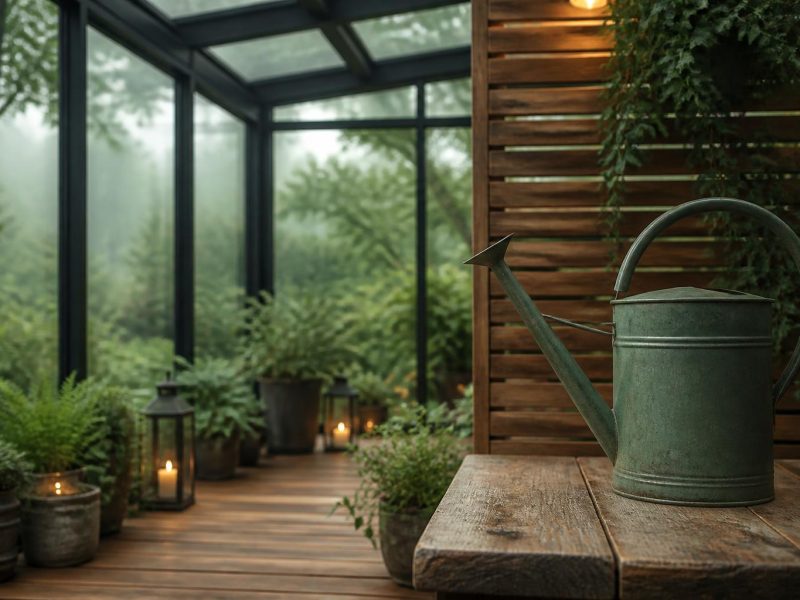
Green Corners and Quiet Spaces: A Practical Guide to Thoughtful Home Garden Enhancements
A practical guide to blending outdoor growth with indoor calm, featuring real-world steps to elevate home improvement through thoughtful gardening and decor.
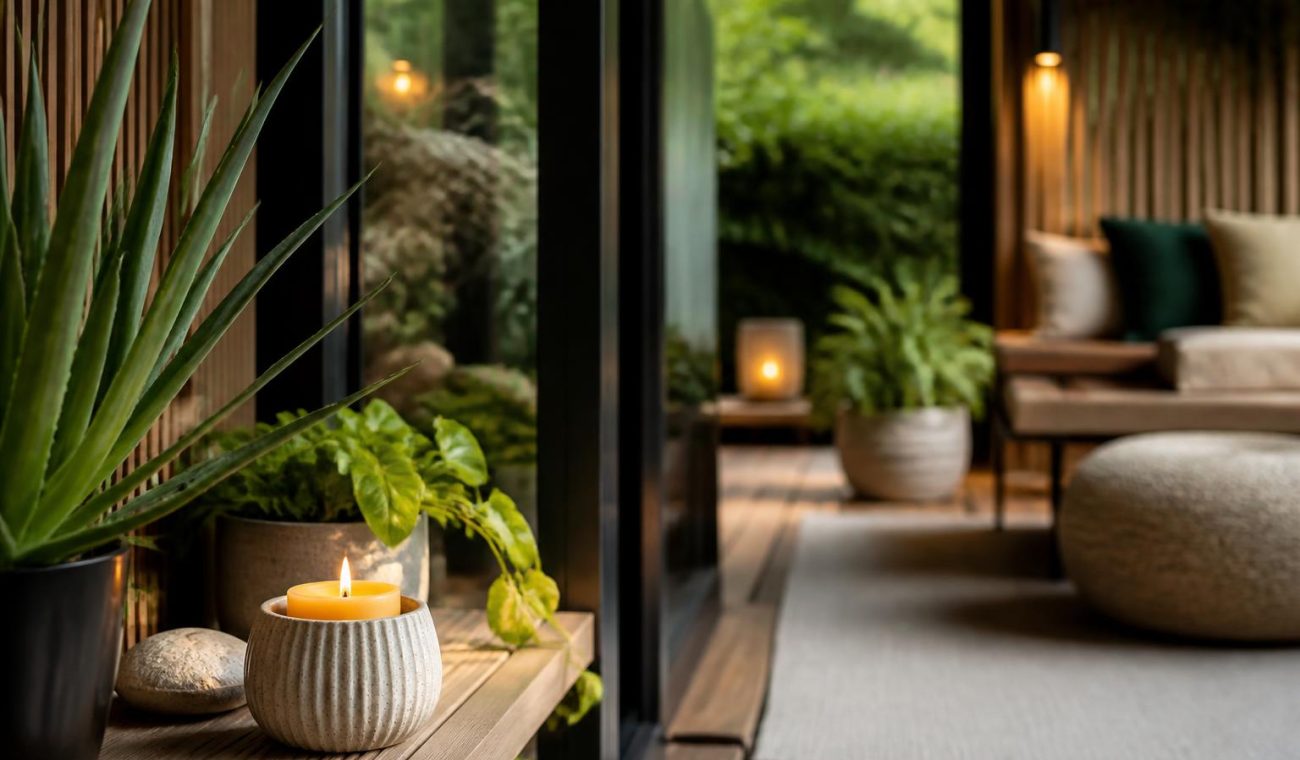
Foundations of a Calm Garden Space
Creating a garden that complements interior life starts with a clear purpose: a space that invites relaxation, supports healthy plants, and requires manageable maintenance. Consider sun exposure, soil quality, and water access as the backbone of your design. By outlining zones for relaxation, flowering interest, and edible greens, you establish a cohesive flow from front yard to patio. Buy Marginal Pond Plants integrates a tactile, water-centered element that can anchor multiple microhabitats while boosting curb appeal and the overall feel of home improvement.
Begin with a simple palette: two or three plant colors that echo interior decor choices, and a couple of hardscape materials that repeat inside the house—think slate, timber, or concrete. This approach ties the exterior to interior sensibilities and helps you stay consistent as you add furniture, lighting, and seasonal containers. With a steady foundation, you can layer texture through foliage height, leaf shape, and the sheen of mulch or gravel to guide the eye naturally across the space.
Choosing Plants that Work with Your Climate
Successful gardening hinges on selecting species that thrive in your climate, soil type, and light levels. Start with a hardy, low-maintenance backbone—perennials that return year after year and shrubs that provide year-long structure. When choosing, consider how plants will look from indoors through windows and from outdoor seating. A mix of evergreen and deciduous specimens adds seasonal interest while keeping maintenance manageable for busy households balancing interior priorities like decor and daily routines.
Group plants by water needs and sun exposure to minimize irrigation waste and simplify care. Install mulch around beds to retain moisture and reduce weed pressure, which makes weekend maintenance more predictable. If space allows, create a small container garden on a balcony or step where you can rotate fresh herbs or colorful annuals, keeping the interior’s vibe connected to the garden’s rhythm.
Design Principles: Structure, Texture, and Color
Good design uses repetition, scale, and contrast to create harmony. Start with a central focal point—perhaps a water feature or a striking specimen tree—and radiate balance through symmetrical bed lines or a curated asymmetry. Anchor with structural evergreens and layer seasonal color with flowering shrubs and perennials. This approach supports interior decor by providing a consistent, picture-perfect view from windows and doors.
Texture enriches a garden as effectively as color. Combine smooth broad-leaf plants with fine grasses, and interleave glossy leaves with matte to catch varying light through the day. Use decorative containers and garden art sparingly, ensuring they reflect the home’s interior style. The goal is to create tactile variety that remains easy to maintain in the long term while aligning with interior design goals.
Water Features: Serene Elements That Tie Indoors and Outdoors
Water features invite a calm ambience and can be surprisingly practical by supporting beneficial wildlife and microclimates. A small fountain or recirculating pond adds motion and soothing sound, making outdoor spaces feel like an extension of living rooms. When selecting a feature, consider energy usage, maintenance access, and safety for children or pets to ensure long-term enjoyment without added stress to busy households.
Position the water element to mirror an indoor seating area or window view, enabling easy visual access from inside the home. Surround the feature with moisture-tolerant plants and seating that invites you to pause and reflect. A thoughtfully sited water feature can become a focal point for gardening conversations and a natural bridge to interior comforts such as lighting and fabric textures used indoors.
Lighting and Seasonal Comfort
Outdoor lighting transforms the garden after dark and extends usable hours for dining or reading outdoors. Layer light sources with low-voltage path lights, warm-toned string lights, and discreet uplighting for trees or architectural features. Balance practical illumination for safety with ambient lighting that enhances the home’s interior decor when observed from windows. Thoughtful lighting supports both home improvement goals and everyday outdoor enjoyment.
Consider seasonal comfort elements such as shade-providing trees or pergolas, breathable fabrics for seating, and fire-friendly corners for chilly evenings. Outdoor seating should be as inviting as indoor spaces, with cushions that resist weather and fabrics that coordinate with interior decor. A well-lit, comfortable outdoor room blurs the line between home and yard, encouraging time spent outside in any season.
Hardscaping: Pathways, Seating, and Functionality
Hardscape choices shape movement, accessibility, and the overall mood of the garden. Plan smooth, accessible paths with non-slip surfaces that lead visitors naturally from the driveway to the entrance and around seating zones. Integrate seating nooks with built-in storage or weather-resistant cushions that coordinate with interior color schemes. Functional yet beautiful hardscapes reduce maintenance and invite more consistent outdoor time, aligning with home improvement goals.
Use pavers or decking that complement your home’s exterior materials and interior finishes. A restrained palette of gray, taupe, or natural wood tones keeps transitions seamless between indoors and outdoors. As you expand, think about drainage, weed suppression, and the ability to reconfigure spaces for gatherings or seasonal changes in decor and plant selection.
Seasonal Transitions: Maintenance Routines That Actually Fit
Develop a simple seasonal calendar that marks pruning, fertilizing, and mulch refreshes. Break tasks into small, repeatable actions that suit a busy lifestyle, rather than overwhelming weekend projects. A predictable rhythm ensures the garden remains healthy and attractive without dominating your time, letting you focus on interior projects and decor consistency as seasons shift.
Keep a compact toolkit and a mobile bin of supplies handy to encourage regular care. Store tools near the garden to reduce friction between your indoor routine and outdoor tasks. A manageable routine improves the garden’s longevity and helps it reflect the calm, orderly feel you cultivate inside the home through intentional decor choices.
Maintaining a Cohesive Look: Hidden Helpers and Practical Tips
Cost-effective, long-lasting decor comes from quality plant selections, durable containers, and strategic pruning. Choose containers with weather resilience and textures that echo interior materials like ceramic, metal, or wood. A cohesive look emerges when planter forms, colors, and heights mirror what you see inside, creating a seamless transition between living spaces and the garden.
Pruning and deadheading should be part of your routine, not a chore. Tidy up with purpose, removing spent blooms to encourage new growth and preventing overly dense canopies that shade other plants. A well-maintained garden supports a calm interior atmosphere by keeping sightlines clear and the overall scene aligned with your decor goals, while still allowing natural plant growth to flourish.
Texture Details to Spark Interest
- Layer plant heights in thirds from foreground to background to create depth.
- Mix leaf shapes and surface textures for year-round intrigue.