A Practical Guide to Creating a Balanced Garden Pond with Marginal Plants
Discover how to design a healthy garden pond with british pond plants, water lilies, and marginal pond plants for year-round interest and wildlife-friendly habitat.
Choosing the Right Foundation for Your Pond
Building a garden pond begins with a clear plan for depth, edges, and filtration. Consider a gentle slope for easy access to the water and to accommodate a variety of pond plants, from water lilies to floating varieties. A well-sealed liner and a reliable pump set the stage for stable water chemistry, reduced algae, and healthier marginal pond plants. Buy Marginal Pond Plants — a practical starting point for expanding riverbank-style planting along the margins.
Think about sunlight, wind exposure, and seasonal temperature shifts. A pond that receives morning sun and afternoon shade helps regulate temperature and encourages a longer blooming window for water lilies and other british pond plants. Install a shaded refuge for amphibians through drifting vegetation and submerged shelves, so wildlife has safe retreat even in hot spells.
Planning Planting Areas: Water, Margins, and Shelf Space
Design the planting zones with distinct vertical layers: submergent oxygenators below, mid-level marginal pond plants on shelves, and emergent plants along the banks. This structure creates visual depth while improving water quality through natural filtration. Choose species that tolerate your local climate, then stagger planting to avoid overcrowding in later seasons, ensuring ample room for growth and seasonal color shifts.
When arranging marginal pond plants, leave enough space for stems to spread without crowding the water’s surface. Slightly deeper shelves encourage water lilies to spread their rhizomes without blocking light for lower-growing species. Regularly inspect the planting layers for dead leaves or crowded roots, pruning as needed to maintain airflow and balance among the british pond plants.
Water Quality Management and Seasonal Care
Maintaining clear water hinges on balanced filtration, aeration, and prudent feeding. A good koi-free environment benefits from a biological filter and routine partial water changes, particularly after hot spells or heavy rainfall. Regularly test pH, ammonia, and nitrate levels, adjusting with safe, garden-friendly amendments when necessary to protect delicate water lilies and marginal pond plants.
Seasonal care includes removing excess debris, repositioning plants as they grow, and preparing for winter. In colder climates, ensure tender water lilies can retreat to deeper zones or be lifted with insulation; hardy british pond plants may overwinter in the margins if shelter is adequate. By aligning care with the seasons, you maximize biodiversity and ensure pond health year after year.
Choosing Specific Plants: Water Lilies and Their Companions
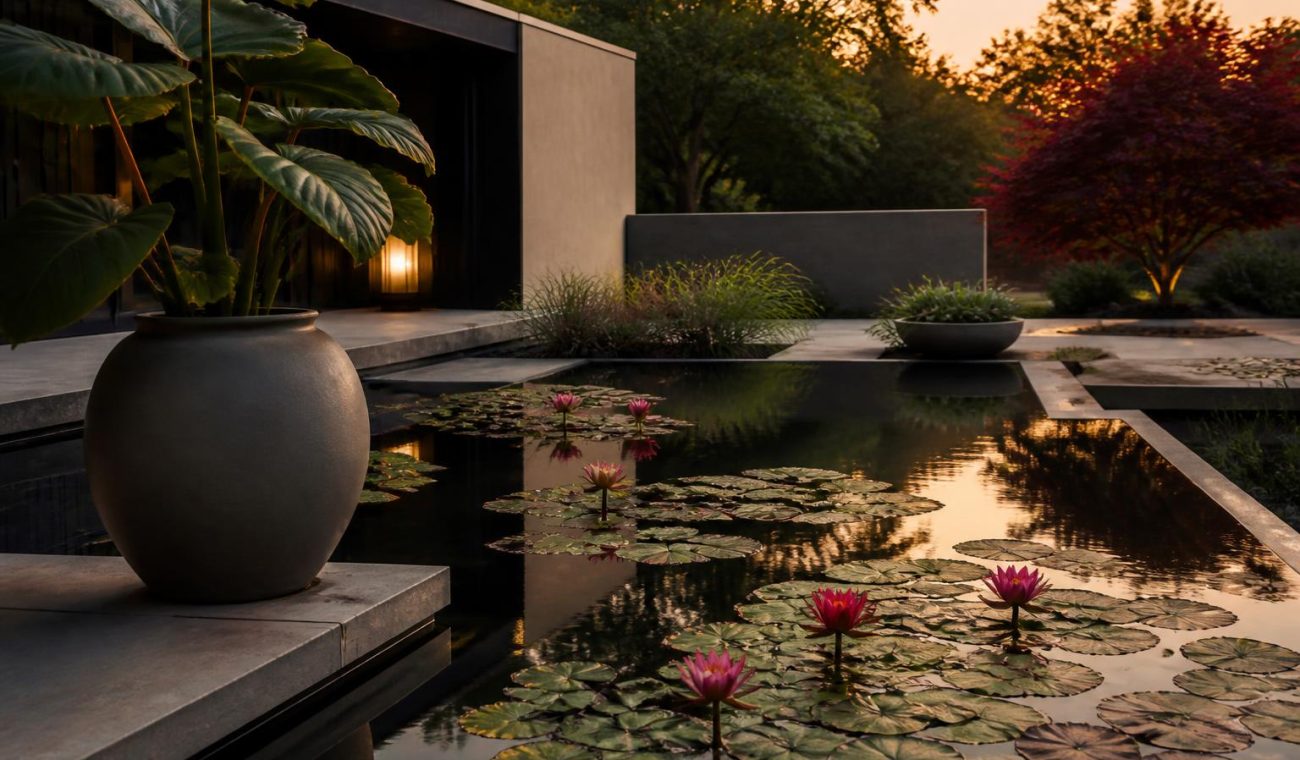
Water lilies bring serene color and reflection to a pond, with varieties suited to different depths and climates. Choose a mix of day- and night-blooming forms to extend interest across the growing season, while their floating leaves provide shade that helps suppress algae growth. Pair lilies with fast-growing marginal pond plants to create a balanced canopy and robust edge structure that supports small wildlife.
British pond plants often include a range of complementary options, such as iris-like marginals and feature grasses that sway along the water’s edge. These choices help stabilize the margins and provide habitats for beneficial insects. Select species that thrive together, considering color contrasts, bloom times, and the needs of pollinators, resulting in a cohesive, low-maintenance planting scheme.
Creating Wildlife-Friendly Edges
Shallow margins, gentle shelves, and varied textures invite frogs, dragonflies, and birds without overwhelming the water’s surface. Plant a mix of broad-leaved marginals and fine-leaved grasses to form a natural tapestry that traps sediment while allowing sunlight to reach the deeper zones. Clear, undisturbed water enhances visibility for fish and amphibians, strengthening the pond’s ecological role in the garden.
Consider adding submerged oxygenators to sustain oxygen levels during warm weather, ensuring that no people disturb sensitive habitats. A layered approach with emergent plants above and rooted species below promotes a stable microclimate at the edges, encouraging biodiversity while keeping maintenance manageable for busy gardeners.
Maintenance Routines that Stand the Test of Time
Consistent maintenance saves effort in the long run. Establish a monthly cadence for pruning, removing spent blooms, and dividing crowded clumps of marginal pond plants to prevent stagnation. Clean filters, inspect pumps, and monitor water clarity to catch issues before they escalate, keeping water lilies and other british pond plants vibrant and healthy.
Seasonal tweaks—such as extra aeration during heatwaves or protective covers in winter—reduce stress on plants and wildlife. Knowledgeable pruning and thoughtful plant division preserve plant vigor, maintain structural interest, and simplify future plant acquisitions, ensuring your pond remains a source of calm and ecological value for years to come.
Optional Texture: Plant Variety Details
- Colorful water lilies with contrasting leaf shapes
- Grasses and reeds to soften edges
- Floating raft plants to shade the surface
Final Reflections: Stitching the Pond into the Garden Fabric
When thoughtfully planned, a pond becomes a living element of the garden’s rhythm and texture. Balance color, form, and function by combining water lilies with a curated selection of marginal pond plants and native british pond plants. A well-integrated pond supports wildlife without becoming a maintenance burden, offering tranquil reflections and a sense of place as seasons change.
With mindful planting and steady care, your garden pond can evolve into a durable centerpiece that mirrors the surrounding landscape. The right mix of marginal pond plants, water lilies, and supportive edges creates a dynamic, wildlife-friendly water feature that remains accessible to view and enjoy while preserving ecological health for years to come.