7 Fast Upgrades to Transform Your Red Light Therapy Manufacturing
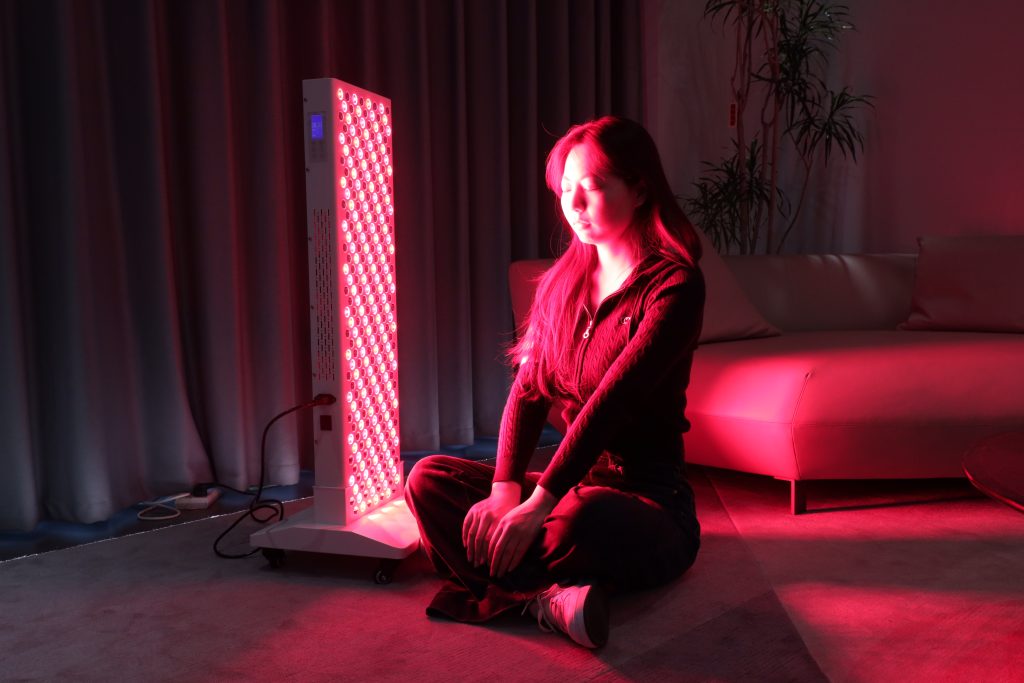
Introduction — a quick scene, a hard fact, a question
I was standing on the production floor, watching a row of LEDs hum under a thin, warm glow — the room smelled faintly of solder and coffee. As someone who’s worked with product teams and engineers, I can tell you that a red light therapy manufacturer often faces the same squeeze: higher demand, tighter specs, and fewer surprises allowed. Recent industry data shows a 35% yearly growth in device adoption while tolerances shrink and user expectations climb (yes, the market really moves that fast). So how do we upgrade output and quality without blowing the budget or burning out the crew?
I’ll walk you through practical steps I’ve seen work — small changes with fast payoff. Expect candid observations, a few tradeoffs, and an eye for what actually scales in real workshops. Ready? Let’s dig in — and keep it grounded.
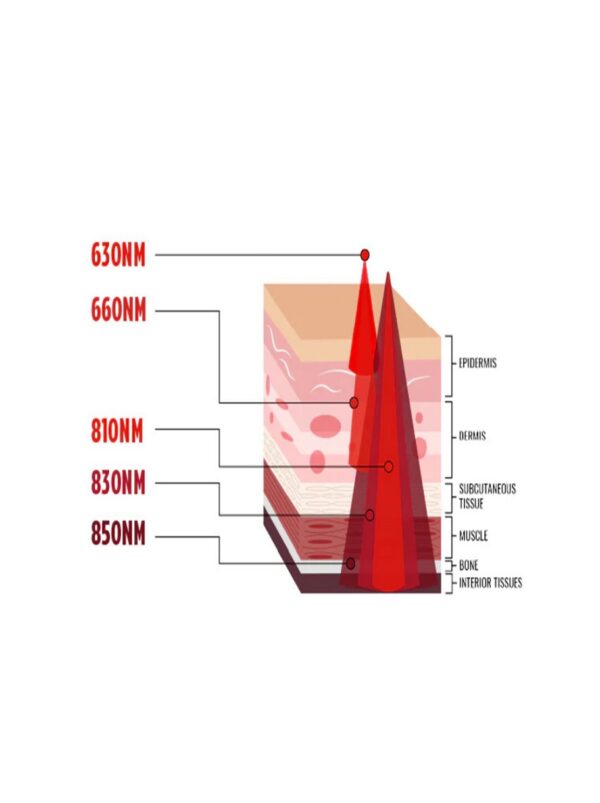 Where old methods break down: the flaws nobody likes to admit
red light therapy manufacture has long relied on a handful of legacy practices: fixed-wavelength LEDs, overbuilt power supplies, and one-size-fits-all thermal designs. Those moves once made sense. They were safe, predictable, and simple to spec. But today they create bottlenecks. I’ve watched batches fail because a supplier's LED binning changed. I’ve argued with boards over the cost of a better driver — and lost. Look, it’s simpler than you think: the old playbook favors robustness at the cost of agility. That trade-off hurts when customers ask for tunable wavelengths, consistent irradiance, or lighter housings.
Technically speaking — and let me be blunt — the main failure points are thermal drift, inconsistent irradiance, and inefficient power conversion. When heat builds up, wavelength shifts occur. When power converters are clumsy, you waste energy and shorten LED life. And when LED arrays aren’t characterized well, you get uneven dosing across the treatment surface. These sound like engineering buzzwords, but they’re real, day-to-day headaches: photobiomodulation effectiveness drops, warranty claims climb, and your brand reputation takes a hit. — surprising, right?
What’s the single biggest misstep?
Not testing devices under real-use thermal loads. You can bench-test until midnight, but unless you stress the system like a user would — long sessions, varied ambient temps — you won’t catch the drift that ruins an otherwise solid run.
New principles to adopt — practical tech that moves the needle
Stepping forward means embracing smarter components and smarter processes. I recommend three principles that I’ve helped teams adopt: modular LED arrays that allow wavelength swapping, precise driver electronics for stable current, and active thermal management that’s tuned to real workloads. These aren’t theoretical silver bullets. They’re engineering choices that reduce rework and improve consistency. For manufacturers looking to pivot, red light therapy manufacture approaches like these lower the long-term cost-per-unit and raise user satisfaction.
How does this play out on the factory floor? First, choose LED arrays with documented spectral data and matched heat sinks — fewer surprises in binning. Second, opt for power converters with closed-loop current sensing; you’ll keep irradiance steady over time. Third, automate incoming QC with simple sensors that measure surface temperature and output intensity (photodiodes and thermal probes — yes, they matter). I’ve seen lines where these changes cut field returns by nearly half in six months — funny how that works, right?
Real-world impact — where you’ll notice the wins
Faster ramp-up of new SKUs. Fewer warranty claims. Happier clinicians and end users because treatment is consistent. You also gain flexibility: want to offer a dual-wavelength device next quarter? With modular arrays and smart drivers, you won’t need a factory retool; you’ll need a configuration change.
Three practical metrics I use when evaluating new solutions
When I advise teams, I ask them to score prospective changes on these three simple metrics:
1) Output Stability — Measure irradiance over expected operating time. If the device drops more than 10% in real-use conditions, it fails my cut. 2) Thermal Efficiency — Check case temperature rise and thermal resistance of the heat sink. Lower delta-T means longer LED life. 3) Serviceability Index — How fast can you swap a module on the line? Minutes, not hours. Faster fixes reduce downtime and keep costs predictable.
If you run these checks, you’ll avoid the common traps that swallow margins. These metrics are not mystical; they’re practical. Use them to compare vendors, to set incoming inspection checkpoints, and to guide R&D tradeoffs. In short: prioritize measured stability, thermal control, and ease of service.
I know this reads as a checklist, but I say it from experience — we’ve iterated these steps across multiple product cycles and seen meaningful gains. At the end of the day, manufacturing great red light therapy devices is about honest measurement and pragmatic decisions. For teams that want a reliable partner on this journey, I recommend checking solutions from trusted suppliers — and if you want a reference point, take a look at what Magique Power is doing in modular design and driver integration.