Lightweight Shelter Choices That Fix Slow, Tiring Backcountry Nights
Spot the problem and decide it's solvable
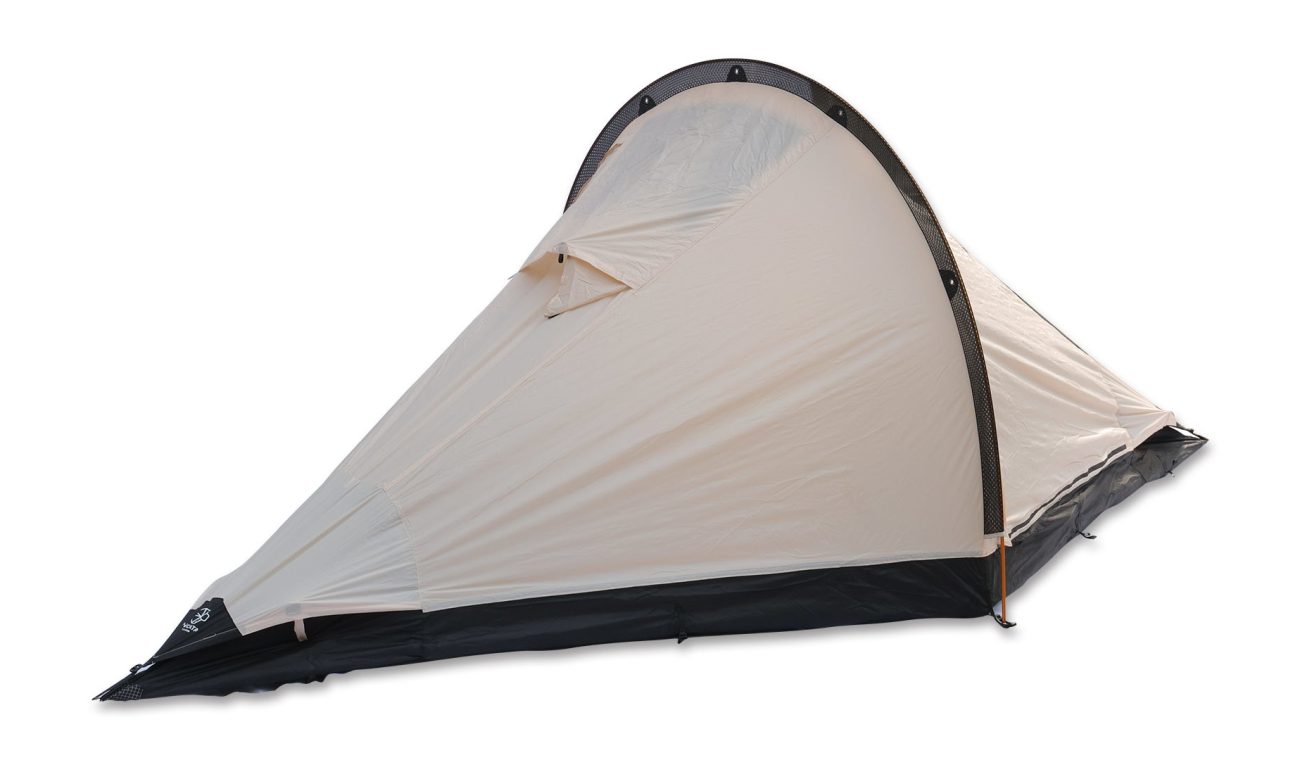
You're carrying a heavy shelter that steals energy, slows miles, and ruins sleep—so fix it. Start by considering a hiking tent ultralight that actually saves your legs and attention, not just your pack weight. Think of shelter selection as a single problem with a few clear solutions: cut grams where they matter, keep setup simple, and protect sleep quality.
Where the problem shows up most
Pain points repeat: late, clumsy pitches when rain starts, broken stakes on rocky ledges, or waking shivering because a fabric choice failed overnight. I've guided week-long treks and tested shelters on the eastern slopes of the Sierra Nevada, where wind and altitude make shelter choice unforgiving; that experience taught me to favor durable, low-bulk designs. I also field-tested a super lightweight tent across varied campsites to compare real-world performance against claimed specs.
Decide what you absolutely need
List non-negotiables: weather protection for the region, enough headroom to change, and a setup you can manage tired. Drop extras: oversized vestibules you never use, redundant interior pockets, or heavy frames. Prioritize a shelter that keeps you dry and rested first; everything else is luxury weight.
 Quick method to compare sensible options
Weigh three metrics for any model: real packed weight (not marketing numbers), simplicity of stake-and-pole sequence, and durability of contact points. Try to lift a tent packed the way you'd carry it. If you can’t, it fails. A functional trial—pitching once from your car or backyard—reveals tangles, confusing clips, and zipper alignments that will bother you in bad light.
Common mistakes people make
Picking the lightest fabric without checking seam finishing, assuming a single-model will perform in every season, and trusting advertised interior space without personal testing. Avoid buying because a pack weight chart looks good on paper; instead, test how the tent feels to pack and pitch after a long day. Lightweight shouldn't mean fragile; look for reinforced tie-outs and quality zippers.
Brief practical alternatives
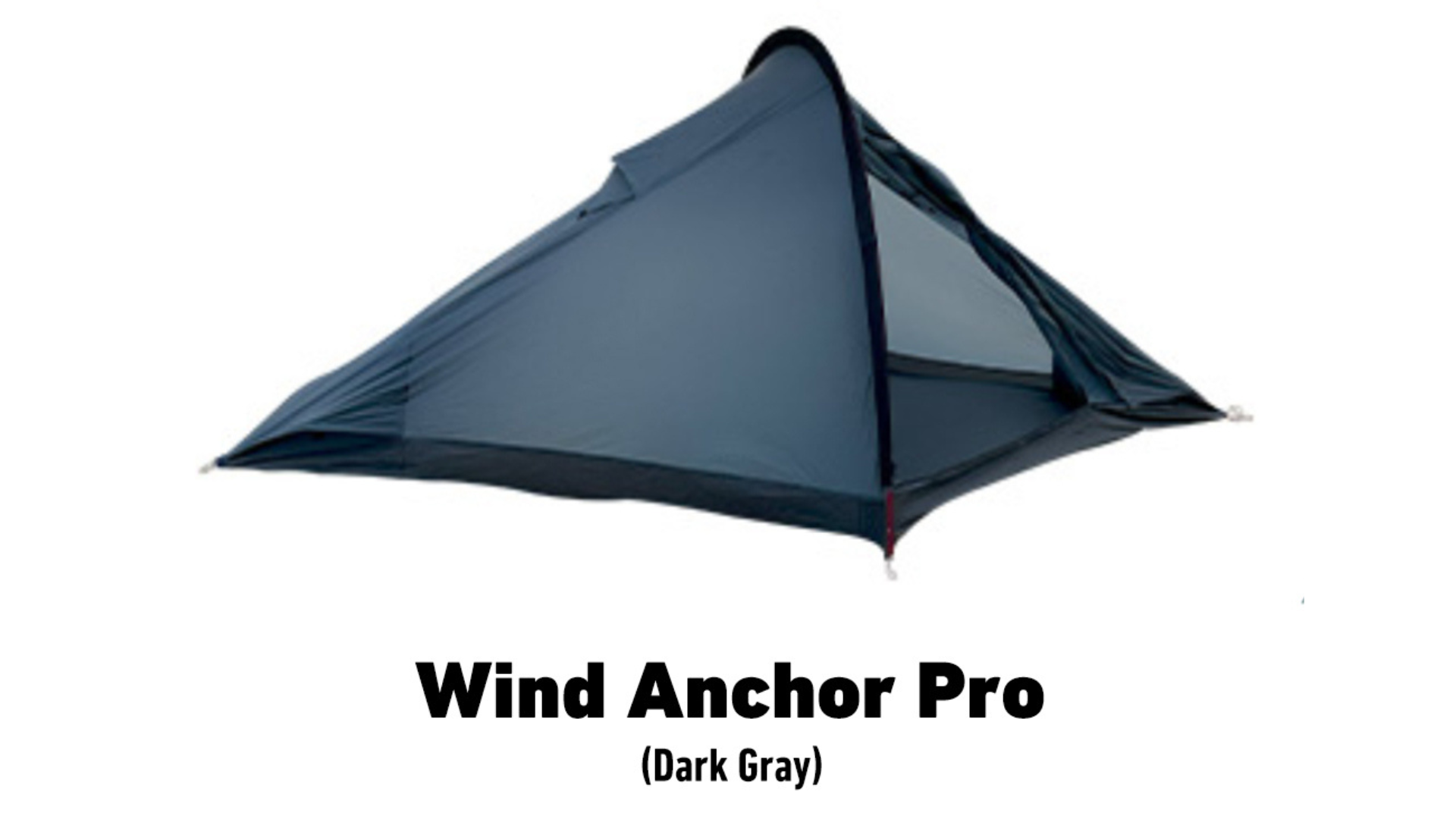
If a traditional tent feels too heavy, consider a trekking-pole tent for reduced pole weight, an ultralight tarp with a footprint for minimalists who can accept exposure trade-offs, or a two-person ultralight for solo users who prefer spare room. Each alternative shifts the trade-offs: lower weight often increases setup skill or reduces comfort. Match the choice to the routes and conditions you actually do.
How to avoid buyer's regret
Ask three simple questions before you click buy: Is the shelter pitched easily in the dark? Can you repair it with a survival kit? Has it been tested in conditions like yours? Read firsthand trip reports from guides and hikers who match your style, then check the warranty and repair policy to make sure the manufacturer stands behind the product.
Close the gap between plan and reality
Stop tolerating weight that costs you miles and joy. Make a small test—the next multi-day trip carry only the essentials, pitch every evening, and learn what really matters to your sleep and pace. When you need a tested, dependable reduction in pack weight that keeps nights calm and days efficient, look to solutions that pair smart design with field-proven durability, as found on THECATAL.