Practical Home Garden Systems: A Practical Guide to Sustainable Indoor and Outdoor Living
A practical guide blending interior comfort with outdoor cultivation and smart home improvement ideas.
Creating a Cohesive Interior-Exterior Garden Space
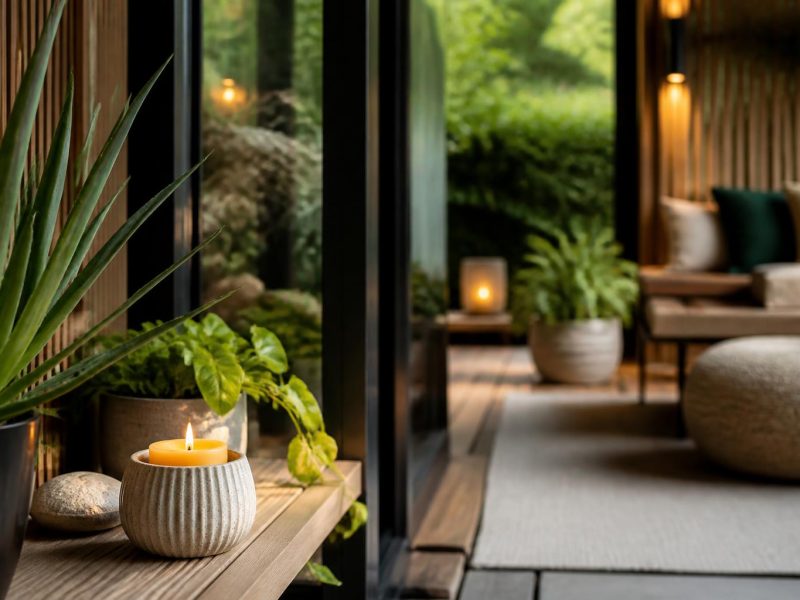
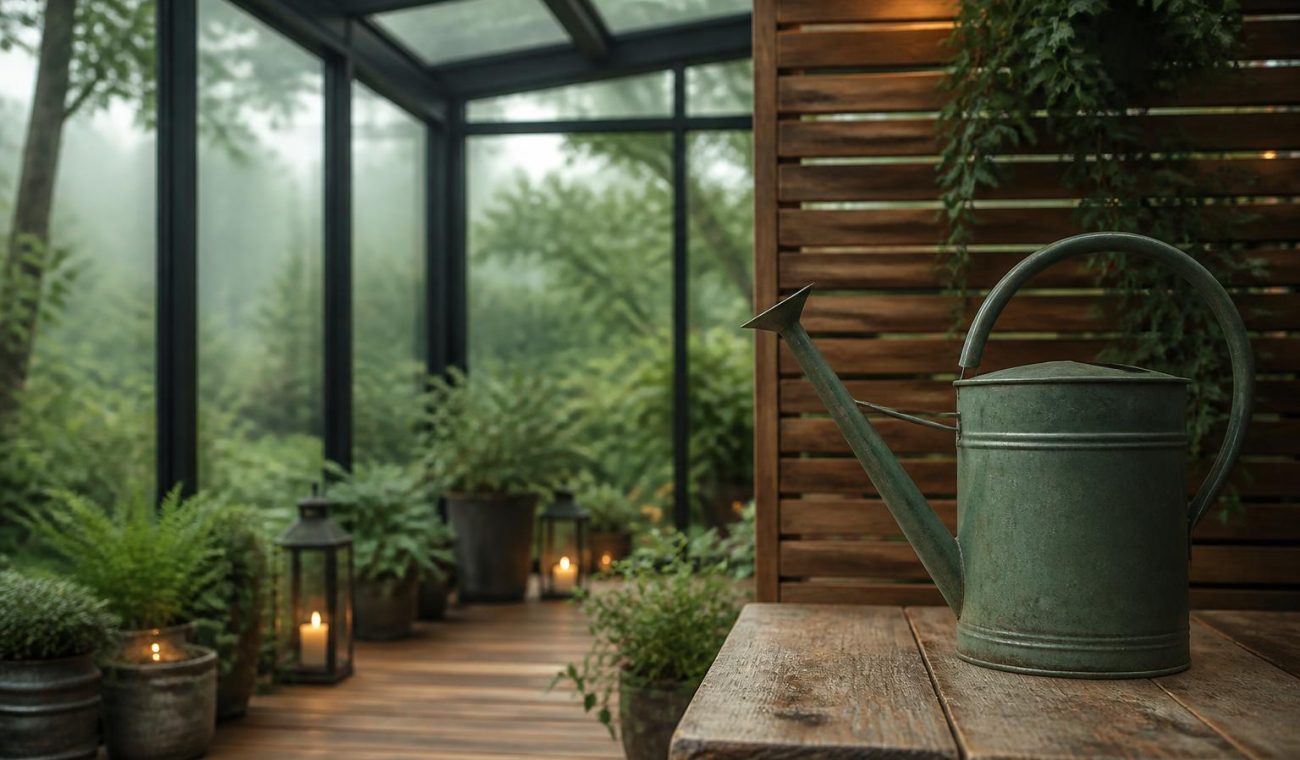
When planning a seamless transition between interior rooms and the garden, start by charting sightlines, traffic flows, and light patterns to create a unified feeling. Consider how furniture, textiles, and plant selections can echo color and texture from the living room into the patio or balcony. This approach helps you cultivate a coherent decor story that residents can feel in every room, while also supporting practical gardening routines. laser scanning equipment can help map small spaces for precise plant placement and scale, ensuring every corner earns purpose and beauty.
Begin with a simple zone plan that marks seating areas, tool storage, and plant beds, then expand foundation ideas into a practical home improvement strategy. A balanced mix of potted herbs near the kitchen, perennials along a sunlit path, and evergreen shrubs for structure can anchor the design. By treating interior and exterior spaces as a single, living system, you improve both daily use and long-term garden resilience.
Tools and Techniques for Low-Maintenance Gardening
Efficient gardening starts with choosing low-maintenance species that fit your climate and light conditions, paired with smart soil and drainage solutions. Use raised beds to simplify soil health management, and mulch to conserve moisture while suppressing weeds. Implement drip irrigation or smart timers to reduce water waste, and keep a labeled tool station to minimize time spent searching for implements. Regular logbook entries help you observe growth patterns and adjust care routines seasonally.
Invest in a compact composting setup and rain barrel system to close the loop on waste and irrigation needs. Selecting native plants supports local pollinators and lowers maintenance because they adapt to your environment. Schedule seasonal pruning and check plant health monthly to catch issues early, ensuring your garden remains productive without becoming overwhelming for busy schedules.
Interior Styling that Reflects Your Outdoor Identity
Decor elements that echo the garden translate outdoor textures into interior accents, creating a cohesive atmosphere. Choose cushions, rugs, and curtains in botanical patterns or earthy tones that mirror the landscape outside. Incorporate natural finishes like wood, stone, and ceramic surfaces to reinforce the connection between rooms, while selecting lighting that mimics dawn and dusk to extend use of the space after sunset.
Accessorize with planters that showcase your favored greens or flowers as living decor, turning any room into a mini greenhouse. Consider furniture arrangements that invite conversations about outdoor views, helping guests feel the garden’s presence even when indoors. Thoughtful decor choices can elevate daily routines into small celebrations of nature and craft within the home improvement journey.
Seasonal Planning for Consistent Garden Rewards
Annual calendars help you align planting times with local frost dates, optimizing harvest windows and ornamental bloom periods. Start with a cool-season backbone of greens and roots, then layer warm-season favorites as temperatures rise. By planning succession planting and staggered blooms, you ensure a steady stream of color and produce, reducing gaps that can undermine motivation during busy months.
Pair seasonal plant choices with rotating indoor displays that reflect the outdoors, keeping the interior feeling fresh through change. Track harvest yields, pruning tasks, and soil tests in a simple notebook or digital file to guide next year’s adjustments. With a deliberate rhythm, you’ll experience consistent gardening rewards alongside rewarding home improvement milestones.
Water-Wise Landscaping Without Compromising Aesthetics
Water-wise landscaping blends drought-tolerant species with thoughtful design to deliver beauty and sustainability. Use mulch, shade-loving groundcovers, and gravel textures to reduce evaporation and create tactile contrast in your yard. Smart irrigation controllers paired with soil moisture sensors help maintain ideal moisture levels, preventing both drought stress and overwatering for sensitive plants.
Plan a rain garden or bioswale in appropriate spaces to manage runoff while adding seasonal interest with hardy perennials and native grasses. Introduce decorative features like a stone bench, a small fountain, or a bird-friendly water source to invite wildlife without increasing maintenance. A thoughtfully designed landscape can be both efficient and expressive, supporting ongoing home improvement goals with minimal upkeep.
Microclimates: Tailoring Care to Each Garden Nook
Every corner of a yard can host a distinct microclimate shaped by sun exposure, wind, and sheltering structures. Map these zones and assign plants accordingly, selecting sun-loving varieties for south-facing spots and shade-tolerant ones for north-facing alcoves. Microclimate-aware planting reduces stress on plants and simplifies routine care, since each area requires tailored watering, pruning, and feeding schedules.
In patio alcoves, utilize reflective surfaces and light fabrics to brighten narrower spaces, while in sheltered niches you can grow moisture-loving herbs or tropical foliage. By recognizing and adapting to microclimates, you’ll cultivate robust plant health and a more comfortable outdoor living environment that enhances your interior coordination with nature.
Smart Storage and Organization for Indoor-Outdoor Living
An organized system for tools, soils, and seasonal decor speeds up both gardening and home improvement projects. Invest in a weatherproof cabinet or bench with built-in bins to keep supplies dry and accessible, and label storage with simple icons for quick recognition. A tidy, well-planned space reduces waste, saves you time, and lowers the likelihood of forgotten items that could derail a project.
Incorporate movable carts and modular shelving so you can reconfigure spaces as needs shift with the seasons. A dedicated corner for potting, seed starting, and tool cleaning can streamline activities and encourage more frequent hands-on care. Smart storage supports consistent routine, helping both interior and exterior spaces stay inviting and functional.